



Why Türkiye Was Called “Turkey”?
- Murat Guler

- Feb 7
- 2 min read
If you’ve ever wondered why Türkiye has long been called “Turkey” in English, you’re not alone. The story behind the name is a fascinating mix of language, history, geography, and centuries of cultural exchange between East and West.
Let’s take a journey back in time.

The Meaning of the Word “Turk”
The word “Turk” comes from ancient Turkic languages and is commonly interpreted as meaning “strong,” “powerful,” or “mature.” Early Chinese records as far back as the 6th century mention Turkic peoples as “Tu-Kiu” or “Türk,” referring to nomadic tribes living in Central Asia.
As these Turkic tribes migrated westward over centuries, the name traveled with them.
How Europe Started Saying “Turkey”
When Turkic peoples settled in Anatolia and later established powerful states, Europeans began referring to the region as “the land of the Turks.” In medieval Latin texts, this appeared as “Turchia” or “Turquia.” Over time, English adopted the term “Turkey.”
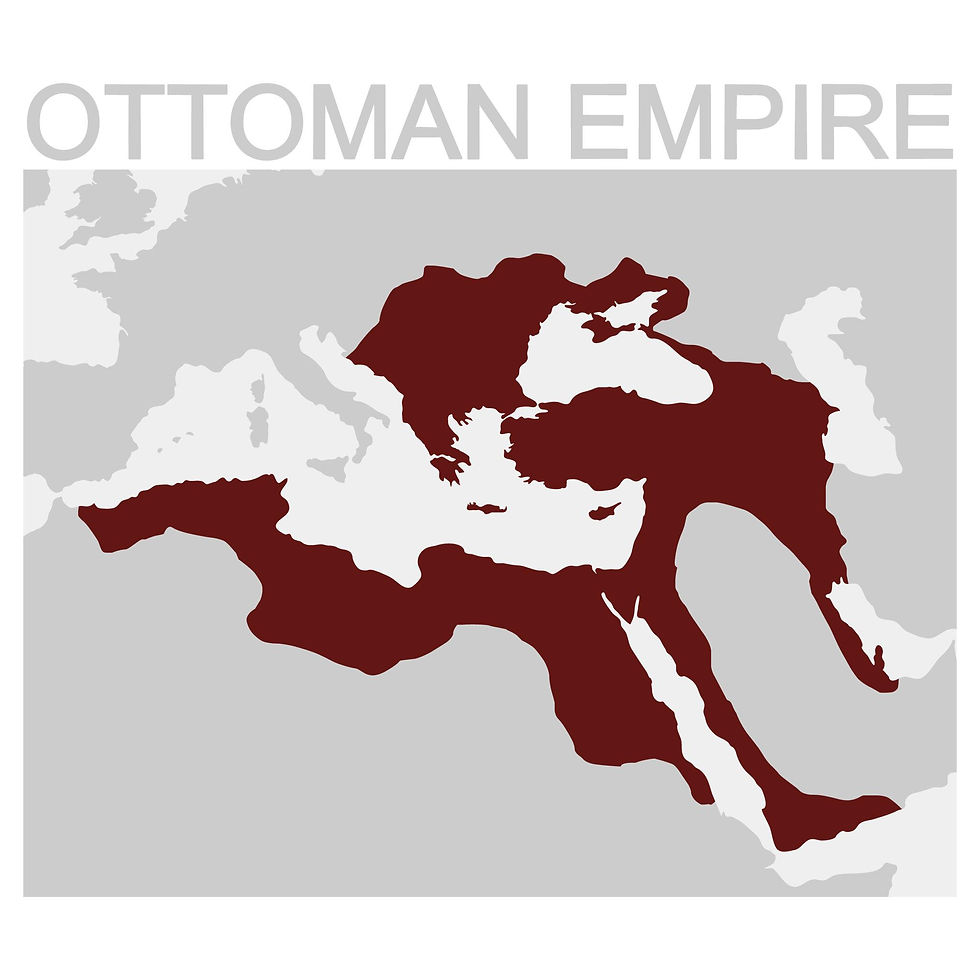
During the height of the Ottoman Empire, the name became firmly established in Western languages. To Europeans, the empire represented “Turkey,” regardless of its vast multicultural and multiethnic structure.
So, “Turkey” was never a name chosen by the people living there—it was an external label shaped by European perspectives.
Anatolia: A Crossroads of Civilizations
Anatolia (modern-day Türkiye) has always been a bridge between continents. Located at the heart of major trade routes like the Silk Road, the region connected Asia, Europe, and the Middle East.
Merchants, diplomats, and travelers carried not only goods, but words. As a result, the name “Turkey” spread across maps, treaties, and books—long before modern nation-states existed.

From “Turkey” to “Türkiye”
In Turkish, the country has always been called “Türkiye,” meaning “the land of the Turks.” However, for centuries, international usage favored “Turkey.”
In recent years, Türkiye has emphasized using its native name globally. In 2022, the country officially requested international organizations to adopt “Türkiye” in formal usage, reinforcing cultural identity and authenticity on the world stage.
More Than Just a Name
The evolution from “Turkey” to “Türkiye” is more than a spelling change—it reflects a deeper story of self-definition, history, and cultural pride.
Names matter. They carry memory, identity, and perspective. And Türkiye’s name tells a story that stretches from Central Asia to Anatolia, from medieval Europe to the modern world.
Final Thought
So why was Türkiye called “Turkey”?
Because history, language, and geography intersected—and the world named a land based on who they saw, not what the people called themselves.
Today, using Türkiye is a way of honoring that original voice.


Comments